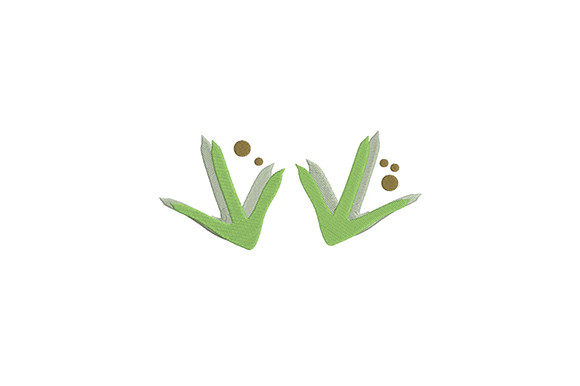
Chicken Footprint
A Playful Embroidery for Boutique Apparel and Sweatshirts
As an experienced embroidery designer, I’ve had the chance to work with countless machine embroidery designs. Recently, I came across Chicken Footprint, a design that immediately caught my eye with its charm and versatility. It’s not just another bird-themed embroidery—it’s a fun, creative addition that can elevate a wide range of apparel projects.
First Impressions: Cute, Playful, and Versatile
The first thing that struck me about Chicken Footprint was its visual personality. It has a playful, whimsical vibe that feels right at home on casual wear. The design is detailed enough to stand out but not so intricate that it overwhelms the garment. Its color palette is soft and inviting, making it a great fit for both pastel and neutral tones.
Chicken Footprint carries a sense of humor and light-heartedness, which is perfect for boutique brands looking to add a touch of personality to their collections. It feels like a premium embroidery file, offering a balance between simplicity and character. Whether you're aiming for a cute, rustic look or something more modern and trendy, this design adapts well.
Apparel Use Cases: From Sweatshirts to Tote Bags
Chicken Footprint shines in multiple apparel applications. For sweatshirt embroidery, it adds a charming detail without overpowering the garment. Placed on the chest or back, it creates a fun focal point that stands out on neutral or pastel backgrounds.
On hoodies, the design works beautifully as a chest placement or sleeve accent. Its size and shape make it ideal for small spaces, and it maintains its visual impact even when scaled down. For tote bags, Chicken Footprint adds a whimsical touch that appeals to a younger audience while still feeling stylish and approachable.
When considering t-shirt embroidery, Chicken Footprint offers a great contrast against darker fabrics. Its bright colors pop against black or navy, making it a standout piece. On denim jackets, it brings a playful element that complements the rugged texture of the fabric.
Design Placement Tips for Maximum Impact
While Chicken Footprint is versatile, there are areas where it may need careful consideration. Small chest placements require precise stitching and a good stabilizer to maintain clarity. Dense stitch areas should be tested on scrap fabric to ensure they don’t cause puckering or distortion.
Stretchy fabrics like fleece or ribbed material can pose challenges. It’s important to use the right stabilizer and check the hoop size to prevent the design from stretching or distorting. Dark garments may also benefit from a thread color contrast test to ensure visibility and vibrancy.
Curved surfaces, such as the back of a hoodie or the curve of a tote bag, require attention to stitch density and placement. Tiny lettering or intricate details should be avoided unless the design is specifically suited for such areas. Always inspect the embroidery file for any potential issues before committing to production.
Enhancing Brand Identity with Chicken Footprint
Incorporating Chicken Footprint into your custom apparel collection can help build a unique brand identity. It adds a sense of playfulness that resonates with customers looking for handmade products or boutique merchandise. This design can serve as a signature element that sets your brand apart in a competitive market.
From Etsy sellers to small shop product lines, Chicken Footprint offers a way to create visually consistent, recognizable items. It supports brand recognition by providing a recurring motif that customers can associate with your brand. When used thoughtfully, it can also increase customer engagement through social media and lifestyle product photos.
Practical Designer Notes for Success
Before using Chicken Footprint on finished products, always test it on scrap fabric. Check the thread colors for contrast and consider how the design will look on different fabric textures. Confirm the hoop size and stitch density to ensure optimal results.
Review the Creative Fabrica embroidery product details and licensing information carefully. Understanding the digital embroidery file specifications is crucial for commercial use. Additionally, using printable mockups can help visualize how the design will appear on finished products before production begins.
For commercial embroidery and small shop product lines, Chicken Footprint offers a great opportunity to create high-quality, handcrafted items. It’s a valuable tool for designers looking to expand their offerings and enhance their handmade product line with a fun and engaging design.