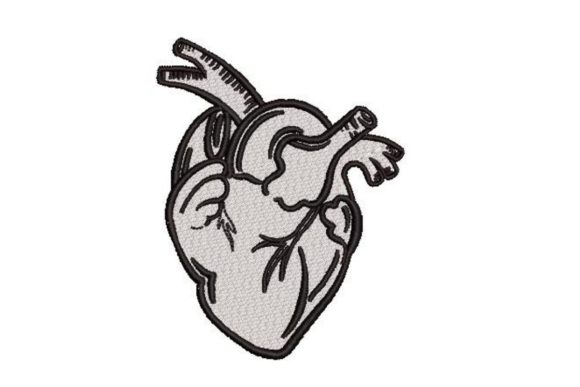
Human Heart Line Art
A Professional Embroidery Designer’s Review
As an experienced embroidery designer, I’ve had the opportunity to review countless designs for small business merchandise and branded patches. Today, I’m evaluating Human Heart Line Art, a machine embroidery design that symbolizes awareness for heart diseases. This design is versatile enough to be used on medical uniforms, accessories, and even custom apparel. Let me walk you through my thoughts and insights as if I were preparing to use this design in a real-world scenario.
First Impressions: A Blend of Simplicity and Meaning
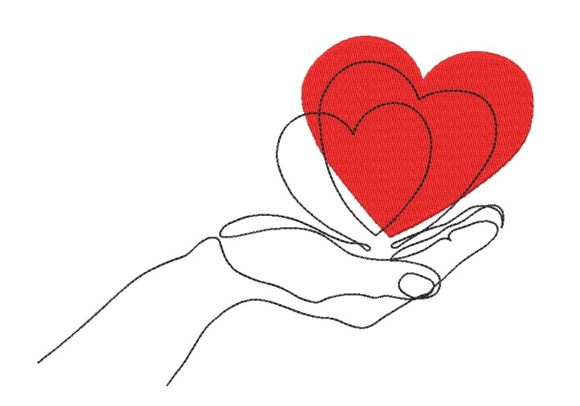
The first thing that struck me about Human Heart Line Art was its clean, line-art style. It feels modern yet professional, with a subtle elegance that makes it suitable for both medical and non-medical branding. The design doesn’t feel overly decorative or childish, which is important when considering its use in a small business setting. It strikes a balance between being meaningful and visually appealing, making it ideal for brands focused on health awareness or community support.
Real-World Use Cases: From Patches to Merchandise
Human Heart Line Art is incredibly adaptable. Whether you’re creating embroidered patches for a local clinic, adding a subtle logo to staff uniforms, or designing caps for a boutique, this design can fit seamlessly into your brand’s visual identity. Here are some practical applications:
- Embroidered Patches: Perfect for small businesses looking to create branded patches for events, fundraisers, or customer gifts.
- Uniform Accents: Can be sewn onto aprons, work shirts, or caps to add a professional touch without overpowering the main design.
- Tote Bag Design: Adds a meaningful detail to tote bags or reusable shopping bags, especially for eco-conscious brands.
- Product Packaging: Used as a subtle accent on product labels or packaging to reinforce brand awareness.
- Craft Business Assets: Ideal for Etsy sellers or handmade brands wanting to add a unique, meaningful element to their products.
Its versatility makes it a valuable addition to any small business merch lineup, particularly those in the healthcare, wellness, or community-focused sectors.
Design Considerations: Where to Be Careful
While Human Heart Line Art is highly adaptable, there are certain scenarios where extra attention is needed:
- Small Patch Sizes: The design may lose clarity at very small sizes, so it’s important to test it in different scales before production.
- Cap Fronts and Curved Surfaces: Due to its intricate lines, the design might not translate well on curved surfaces or tight spaces like cap fronts.
- High Stitch Density: The detailed outlines require careful stitching to ensure the finished product maintains its intended look.
- Fabric Texture: On textured fabrics, the design may appear less crisp, so testing on the actual fabric type is recommended.
- Dark Uniforms: Contrast is key—ensure thread colors provide enough visibility against dark backgrounds.
- High-Wash Items: Frequent washing could affect the durability of the embroidery, so using the right stabilizer and quality thread is essential.
These considerations should guide your decision-making process when integrating Human Heart Line Art into your commercial embroidery projects.
Impact on Brand Identity and Customer Trust
When used thoughtfully, Human Heart Line Art can significantly enhance your brand’s identity. Its symbolism aligns well with health awareness campaigns, making it a powerful tool for businesses aiming to build trust and recognition among their target audience. Customers often associate embroidered logos with professionalism and care, which can elevate the perceived value of your products.
Moreover, the design’s simplicity allows for consistent visual branding across various items—from caps to tote bags. This consistency reinforces your brand message and helps customers recognize your products more easily, increasing engagement and loyalty.
Practical Embroidery Notes for Success
To ensure the best results with Human Heart Line Art, follow these tips from a professional embroidery designer:
- Test in Black and White First: Confirm the design works well in monochrome before finalizing thread color choices.
- Check Small Patch Size Compatibility: Ensure the design remains legible and clear at smaller dimensions.
- Review Thread Color Contrast: Choose colors that stand out against the background fabric for maximum visibility.
- Inspect Spacing and Hoop Size: Make sure the design fits comfortably within your hoop and that spacing is optimal for stitch density.
- Test on Real Fabric: Always do a trial run on the actual fabric you plan to use.
- Use Proper Stabilizer: Select the right stabilizer type to prevent puckering and maintain design integrity.
- Create a Mockup: Provide a printable mockup to clients for approval before production.
- Compare with Other Design Assets: Ensure Human Heart Line Art complements your existing brand visuals.
- Confirm Commercial Licensing: Verify that the design is licensed for commercial use before mass production.
Following these steps will help you achieve a high-quality, professional result that aligns with your brand’s goals.